
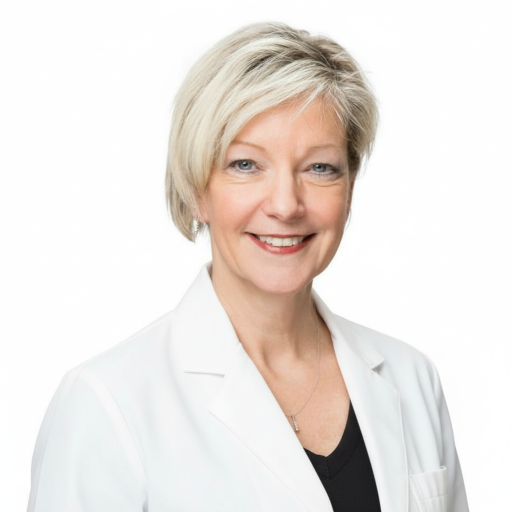
Dr. Leta Vega
your
Educator
Speaker
Advocate
Empowering women 50+ to navigate menopause, wellness, style, and confidence through trusted care, lifestyle support, and lifelong teaching.
Healthcare Professional, Speaker & Advocate, Educator & Mentor.
The Shift: Menopause, Decoded
All things menopause - lifestyle strategies, emotional support, sleep, energy, and hormonal changes. Clear, grounded advice without medical jargon.
Effortless Style Over 50
Capsule wardrobe tips, seasonal edits, body-positive fashion ideas, and confidence styling—centered around real-life wearability.
Beauty & Skincare That Supports You
Beauty After 50: Focus on skincare for mature skin and age-positive makeup techniques. Tips, tutorials, and routines for radiance and ease.
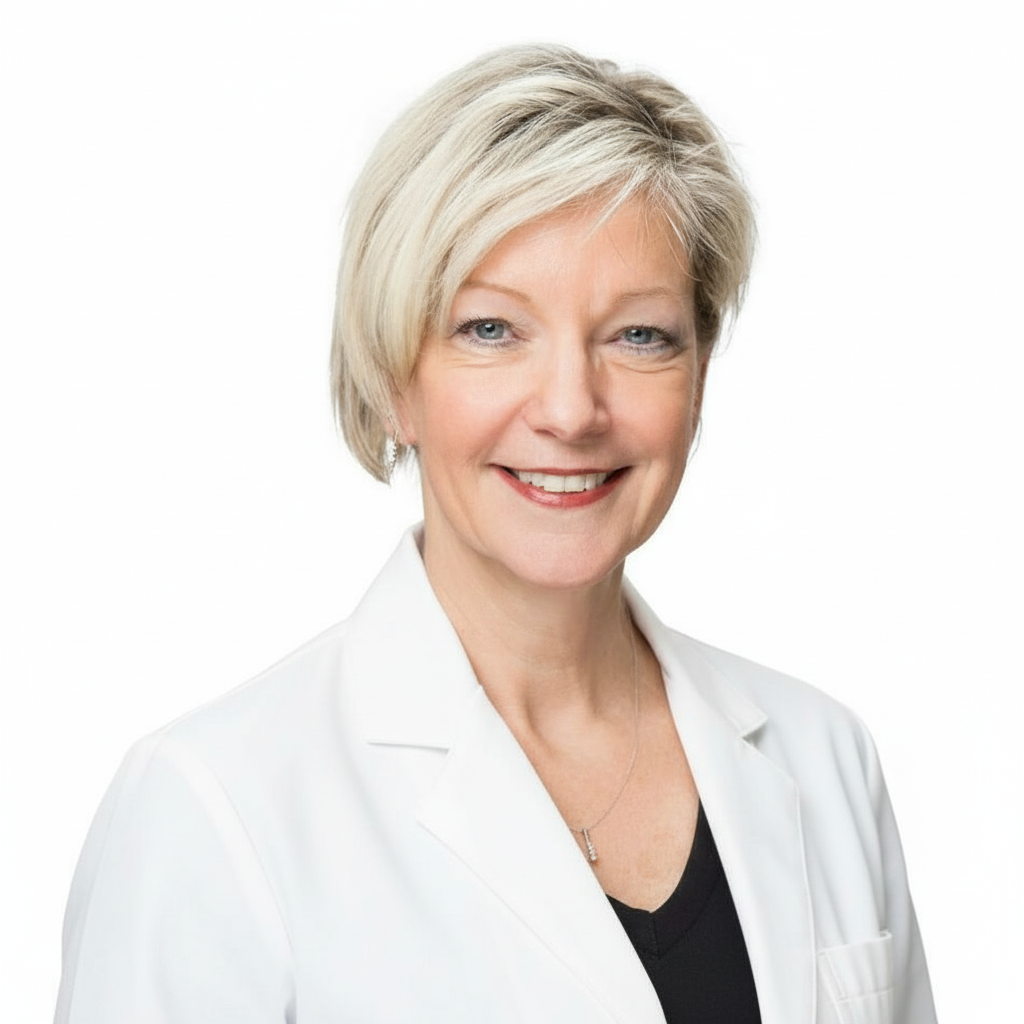
Dr. Leta Vega
With over 40 years of clinical expertise as a DNP, Certified Nurse Midwife, and women’s health advocate, Dr. Leta has supported thousands of women through pregnancy, menopause, and beyond. Her hands-on approach is holistic, compassionate, and grounded in real-life care.
Educational +
Support Services
Distinguished Educator
Dr. Leta Vega is a dedicated, award-winning professor committed to fostering meaningful learning experiences through evidence-based teaching and student-centered engagement. With expertise spanning clinical practice, academic instruction, and curriculum development, she emphasizes critical thinking, professional accountability, and compassionate care. Dr. Vega is recognized for her supportive mentorship style and her ability to connect course content to real-world applications. She actively contributes to program initiatives that enhance student success and promote academic excellence. Passionate about inclusive education, she works to create an environment where all learners feel empowered and prepared to thrive in their professional roles.
Navigate Menopause
Your first line of defense in health. Our primary care services cover check-ups and vaccinations.
Women's Health
Tailored healthcare services for women, including gynecology, obstetrics, and reproductive health.
Lifestyle Confidence Coaching
Access to top medical specialists for in-depth evaluation and treatment of specific health conditions. WomensCare Inpatient Facility.
Style Over 50
Specialized care for our senior patients, focusing on age-related health issues chronic disease.
Skincare & Self-Care Support
Cutting-edge surgical procedures and consultations with our skilled surgeons.
Group Circles & Community
State-of-the-art diagnostic services, including imaging, laboratory tests, and screenings
Healthcare Industry
Distinguished Educator
Dr. Leta Vega is a dedicated, award-winning professor committed to fostering meaningful learning experiences through evidence-based teaching and student-centered engagement. With expertise spanning clinical practice, academic instruction, and curriculum development, she emphasizes critical thinking, professional accountability, and compassionate care. Dr. Vega is recognized for her supportive mentorship style and her ability to connect course content to real-world applications. She actively contributes to program initiatives that enhance student success and promote academic excellence. Passionate about inclusive education, she works to create an environment where all learners feel empowered and prepared to thrive in their professional roles.
Women's Healthcare
Dr. Leta Vega, DNP, CNM, is an advanced practice nurse and certified nurse-midwife with a distinguished career dedicated to improving maternal and reproductive health. She has provided comprehensive, patient-centered care across diverse clinical settings, supporting individuals and families through pregnancy, birth, and postpartum transitions. As a clinician and educator, Dr. Vega integrates evidence-based practice with compassionate advocacy, emphasizing health equity and informed choice. Her professional work includes mentoring future providers, advancing clinical quality initiatives, and promoting interprofessional collaboration. Dr. Vega remains committed to empowering patients and strengthening community health through expert midwifery practice and advanced nursing leadership.
Speaker / Presenter
Dr. Leta Vega, DNP, is a dynamic and engaging speaker known for delivering insightful, evidence-informed presentations that inspire both healthcare professionals and learners. With a career rooted in advanced nursing practice, clinical leadership, and education, she brings a deep understanding of patient-centered care, professional development, and health equity to every audience. Dr. Vega’s talks blend practical expertise with clear, thoughtful communication, making complex concepts accessible and relevant. She is recognized for her ability to motivate others, foster reflective dialogue, and promote meaningful change within clinical practice and academic settings. Her presentations consistently empower audiences to elevate their work and leadership.
Over 50 Lifestyle
Dr. Leta Vega, DNP, is a dedicated Aging and Menopause Advisor, advocate for women 50+, and trusted mentor supporting women through the transitions of midlife. Drawing on her advanced clinical background and deep commitment to women’s health, she provides evidence-informed guidance that empowers individuals to navigate hormonal changes, aging, and wellness with confidence. Dr. Vega combines compassionate education with practical strategies that promote healthy aging, vitality, and self-advocacy. A sought-after educator and mentor, she creates safe, uplifting spaces for women to learn, ask questions, and embrace this stage of life with strength, clarity, and renewed purpose.
Distinguished Educator
Dr. Leta Vega is a dedicated, award-winning professor committed to fostering meaningful learning experiences through evidence-based teaching and student-centered engagement. With expertise spanning clinical practice, academic instruction, and curriculum development, she emphasizes critical thinking, professional accountability, and compassionate care. Dr. Vega is recognized for her supportive mentorship style and her ability to connect course content to real-world applications. She actively contributes to program initiatives that enhance student success and promote academic excellence. Passionate about inclusive education, she works to create an environment where all learners feel empowered and prepared to thrive in their professional roles.
Women's Healthcare
Dr. Leta Vega, DNP, CNM, is an advanced practice nurse and certified nurse-midwife with a distinguished career dedicated to improving maternal and reproductive health. She has provided comprehensive, patient-centered care across diverse clinical settings, supporting individuals and families through pregnancy, birth, and postpartum transitions. As a clinician and educator, Dr. Vega integrates evidence-based practice with compassionate advocacy, emphasizing health equity and informed choice. Her professional work includes mentoring future providers, advancing clinical quality initiatives, and promoting interprofessional collaboration. Dr. Vega remains committed to empowering patients and strengthening community health through expert midwifery practice and advanced nursing leadership.
Speaker / Presenter
Dr. Leta Vega, DNP, is a dynamic and engaging speaker known for delivering insightful, evidence-informed presentations that inspire both healthcare professionals and learners. With a career rooted in advanced nursing practice, clinical leadership, and education, she brings a deep understanding of patient-centered care, professional development, and health equity to every audience. Dr. Vega’s talks blend practical expertise with clear, thoughtful communication, making complex concepts accessible and relevant. She is recognized for her ability to motivate others, foster reflective dialogue, and promote meaningful change within clinical practice and academic settings. Her presentations consistently empower audiences to elevate their work and leadership.
Over 50 Lifestyle
Dr. Leta Vega, DNP, is a dedicated Aging and Menopause Advisor, advocate for women 50+, and trusted mentor supporting women through the transitions of midlife. Drawing on her advanced clinical background and deep commitment to women’s health, she provides evidence-informed guidance that empowers individuals to navigate hormonal changes, aging, and wellness with confidence. Dr. Vega combines compassionate education with practical strategies that promote healthy aging, vitality, and self-advocacy. A sought-after educator and mentor, she creates safe, uplifting spaces for women to learn, ask questions, and embrace this stage of life with strength, clarity, and renewed purpose.
Explore Your Shift


Deciding When to Retire While Navigating Menopause
Retirement is often portrayed as a finish line, a time when you finally get to slow down, travel, sleep in, and enjoy the things you have spent decades working toward. But what happens when the question of retirement arrives at the same time as menopause?
For many women, menopause can change the way they experience work. Fatigue, sleep disturbances, hot flashes, brain fog, mood changes, joint discomfort, and changes in confidence can make a job that once felt manageable suddenly feel more demanding. At the same time, women may be at the height of their professional careers, earning their highest salaries and carrying significant responsibilities. Deciding when to retire can therefore become complicated.
Ask Yourself What You Are Really Ready For
Before deciding that menopause is the reason you should retire, consider what is making work difficult. Are you physically exhausted? Are sleep problems affecting your concentration? Are workplace demands becoming overwhelming? Or have you simply reached a point where your priorities are changing?
There is an important distinction between wanting to leave a stressful job and being ready to retire completely.
Sometimes the answer may be modifying your work rather than ending it. Flexible scheduling, additional vacation time, working from home when possible, reducing unnecessary responsibilities, or taking on a different role may make continuing to work more enjoyable.
Consider Your Financial Picture
Retirement should be based on more than how you feel during a particularly difficult week or month. Take an honest look at your financial situation.
Consider your retirement savings, pension or retirement benefits, Social Security, healthcare expenses, housing costs, debt, and the lifestyle you want after leaving work. Think about how long your retirement savings may need to last.
Healthcare deserves particular attention. If you retire before becoming eligible for Medicare, determine how you will obtain health insurance and what your premiums and out-of-pocket expenses could be.
A financial professional can help you model different retirement dates so you can see the potential consequences of retiring now versus working another year, two years, or longer.
Think About Your Identity
For many women, work provides much more than a paycheck. It can provide purpose, friendships, intellectual stimulation, structure, and a sense of accomplishment.
Ask yourself: What will replace those things when I retire?
Retirement can be wonderful, but it is easier when you are retiring to something rather than simply retiring from something. Consider hobbies, travel, volunteering, exercise, family, friendships, education, or even part-time consulting or teaching.
Don’t Let Menopause Make the Decision for You
Menopause may influence how you feel about work, but it does not have to determine your future.
If symptoms are affecting your quality of life, talk with a healthcare professional about treatment and management options. Improving sleep, addressing hot flashes, treating vaginal or urinary symptoms, managing stress, and maintaining physical activity can make a significant difference in how you feel—and potentially how you feel about continuing to work.
Most importantly, give yourself permission to reconsider your plans.
You don’t have to retire simply because you have reached a certain age. You also don’t have to keep working simply because you are good at your job.
Retirement is a personal decision, and menopause may be the perfect time to pause and ask yourself a bigger question: What do I want the next chapter of my life to look like?
The answer may be retirement. It may be another career. It may be working fewer days, taking longer vacations, or pursuing something completely different.
There is no single right answer. The goal is to create a future that supports not only your financial security, but also your health, happiness, purpose, and sense of freedom.


Laughing (Carefully) Through It: Incontinence During Menopause
There are many things no one fully prepares you for in menopause. The hot flashes? You’ve heard about those. The sleep issues? Sure. Mood swings? Absolutely. But incontinence, the unexpected plot twist where your bladder develops a personality of its own, tends to arrive with far less warning and far fewer jokes. Which is ironic, because sometimes it literally shows up when you laugh.
Let’s just say it: if you’ve ever crossed your legs mid-sneeze, mapped out bathroom locations like a survival strategy, or approached a trampoline with the caution of someone diffusing a bomb, you are not alone.
During menopause, declining estrogen levels affect more than reproductive health. Estrogen helps maintain the strength and elasticity of the tissues in the pelvic floor and urinary tract. As levels drop, those tissues can become thinner and less supportive. The result? A bladder that is a little less cooperative and a lot more… expressive.
There are a few common types of incontinence that tend to make appearances. Stress incontinence is the one that shows up during physical activity laughing, coughing, sneezing, exercising, or, for some women, simply standing up too quickly like you’re trying to beat a game show timer. Urge incontinence is a bit more dramatic. It’s the sudden, intense need to go right now, often with very little negotiation time. Think of it as your bladder sending an urgent memo marked “high priority” with no option to reschedule.
And then there’s the classic scenario: you just went to the bathroom, you feel confident, you begin a task and suddenly your bladder says, “Actually, I’ve changed my mind.”
While all of this can feel embarrassing, it is incredibly common. The important shift is moving from quietly coping to actively managing, preferably without giving up your sense of humor.
First, let’s talk strategy. Pelvic floor exercises, commonly known as Kegels, are foundational. They strengthen the muscles that support the bladder and can significantly improve control over time. If you’re unsure whether you’re doing them correctly, pelvic floor physical therapy is an excellent (and underutilized) resource. Yes, it’s a real specialty, and no, you are not the most unusual case they’ve ever seen.
Lifestyle adjustments can also make a difference. Reducing bladder irritants like caffeine, alcohol, and carbonated drinks may help decrease urgency and frequency. Staying hydrated is still important cutting fluids too much can worsen symptoms by irritating the bladder further.
Then there are practical supports. Let’s normalize protective liners and products as tools, not defeats. Think of them as backup singers quietly doing their job so you can stay center stage.
For some women, medical treatments are appropriate. These can range from prescription medications to minimally invasive procedures, depending on the severity and type of incontinence. A healthcare provider can help tailor options based on your symptoms and overall health.
Most importantly, give yourself some grace. Your body is adapting to significant hormonal changes, and occasional unpredictability does not define you. It just means you may need to laugh a little differently, perhaps with slightly better planning.
Menopause may bring a few unexpected moments, but with the right approach, support, and a well-timed bathroom break, you can absolutely stay in control… most of the time.


GLP-1 Medications and Menopause: A New Tool for Weight Management
Many women entering menopause notice that maintaining a healthy weight becomes increasingly difficult. Despite eating the same foods and maintaining similar activity levels, the number on the scale often creeps upward. For some women, the accumulation of abdominal fat can be frustrating and may increase the risk of cardiovascular disease, type 2 diabetes, and metabolic syndrome. Recently, GLP-1 receptor agonists have emerged as a promising treatment option for weight management during and after menopause.
Why Weight Gain Occurs During Menopause
Menopause is associated with significant hormonal changes, particularly declining estrogen levels. These hormonal shifts contribute to a decrease in resting metabolic rate, loss of lean muscle mass, and increased fat storage around the abdomen. In addition, sleep disturbances, increased stress, insulin resistance, and reduced physical activity may further contribute to weight gain.
Research suggests that women gain an average of 1 to 1.5 pounds per year during the menopausal transition, with much of this weight accumulating centrally around the waist.
What Are GLP-1 Medications?
GLP-1 (glucagon-like peptide-1) receptor agonists are medications originally developed to treat type 2 diabetes. Common examples include entity[“medication”,“Semaglutide”,“GLP-1 receptor agonist”] and entity[“medication”,“Tirzepatide”,“dual GIP/GLP-1 receptor agonist”].
These medications mimic naturally occurring hormones that help regulate appetite, blood sugar levels, and digestion. They work by:
- Increasing feelings of fullness
- Slowing stomach emptying
- Reducing hunger signals in the brain
- Improving insulin sensitivity
- Helping regulate blood glucose levels
As a result, many patients experience significant and sustained weight loss.
What Does the Evidence Show?
Large clinical trials have demonstrated impressive weight loss outcomes. Studies of semaglutide have shown average weight reductions of approximately 15% of total body weight over 68 weeks when combined with lifestyle interventions. Tirzepatide studies have demonstrated even greater reductions, with some participants losing more than 20% of their body weight.
Although most studies have included both men and women, postmenopausal women appear to benefit similarly from treatment. Emerging evidence suggests that weight loss achieved with GLP-1 medications may also improve several health conditions commonly associated with menopause, including hypertension, prediabetes, obstructive sleep apnea, and elevated cholesterol levels.
Important Considerations
While GLP-1 medications can be highly effective, they are not a substitute for healthy lifestyle habits. Maintaining muscle mass is particularly important during menopause. Weight loss without adequate protein intake and resistance training may contribute to muscle loss, which can further slow metabolism.
Women using GLP-1 medications should focus on:
- Consuming adequate protein
- Participating in regular resistance training
- Staying hydrated
- Prioritizing sleep
- Maintaining regular follow-up with their healthcare provider
Common side effects include nausea, constipation, diarrhea, vomiting, and abdominal discomfort. Most side effects improve as the body adjusts to treatment.
The Bottom Line
GLP-1 receptor agonists represent an important advancement in obesity and metabolic health management. For menopausal women struggling with weight gain despite lifestyle modifications, these medications may provide an effective tool to support long-term weight loss and improve overall health. However, the best outcomes occur when medication is combined with proper nutrition, strength training, and healthy lifestyle habits.
As with any treatment, women should discuss the potential benefits, risks, and costs with their healthcare provider to determine whether GLP-1 therapy is an appropriate option for their individual health needs.