


Menopause has a funny way of changing the relationship you have with your body. What used to work suddenly doesn’t. Energy levels fluctuate. Joints feel creakier. Motivation sometimes disappears entirely. And yet, exercise becomes one of the most powerful tools for managing the physical and emotional changes of menopause.
The key is shifting the mindset. This is no longer about punishing workouts or chasing a younger body. It’s about supporting the body you have now. Movement during menopause helps regulate hormones, reduce hot flashes, improve sleep, protect bone density, preserve muscle mass, and boost mood. In other words, it’s medicine, just in leggings.
Strength training becomes especially important. After midlife, muscle mass naturally declines, which slows metabolism and weakens the body. Lifting weights or using resistance bands two to three times per week helps maintain lean muscle, supports joint stability, and improves balance. You don’t need a gym full of equipment; your body weight and light dumbbells are enough to build real strength.
Cardio still matters, but it doesn’t have to be extreme. Brisk walking, cycling, swimming, or dancing around your living room all count. Moderate-intensity movement that slightly raises your heart rate for 20–30 minutes most days is ideal. The goal isn’t exhaustion; it’s consistency.
Flexibility and balance deserve attention too. Yoga, Pilates, and simple stretching improve posture, mobility, and core strength. They also calm the nervous system, which can be incredibly helpful when anxiety, irritability, or insomnia show up. Even five to ten minutes of stretching can make a difference in how the body feels.
One of the biggest barriers to exercise in menopause is fatigue. Ironically, movement is one of the best treatments for low energy. Starting small matters more than being perfect. A 10-minute walk today is better than an ambitious plan you never start.
Another shift? Recovery becomes essential. Your body may need more rest between workouts than it used to. High-intensity training can still be beneficial, but it should be balanced with low-impact days and adequate sleep. Listening to your body, truly listening, is more important now than ever.
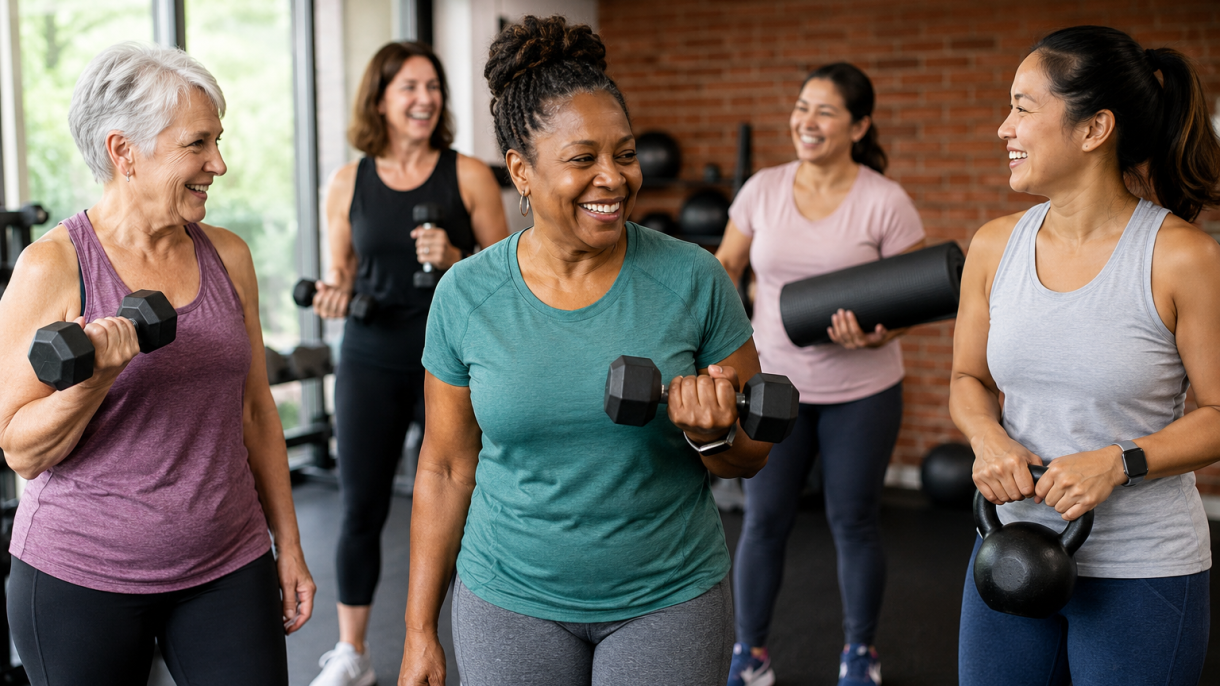
Social movement adds a powerful layer. Walking with a friend, joining a class, or participating in group fitness can improve mood and keep motivation strong. You’re much more likely to stick with something that feels enjoyable rather than forced.
The most important truth about exercise during menopause is that it’s not about shrinking your body, it’s about strengthening it. It’s about feeling stable, capable, and confident in a body that is changing but still incredibly powerful.
You don’t need perfection. You don’t need six-pack abs or extreme workouts. You just need movement, patience, and a little grace for yourself as you go. Your body isn’t failing you; it’s evolving. And movement is how you support that evolution, one step at a time.